What to Look for in a Roof Replacement Company in Succasunna, NJ
@trentonqrqo305
November 5, 2026 · 15 min read
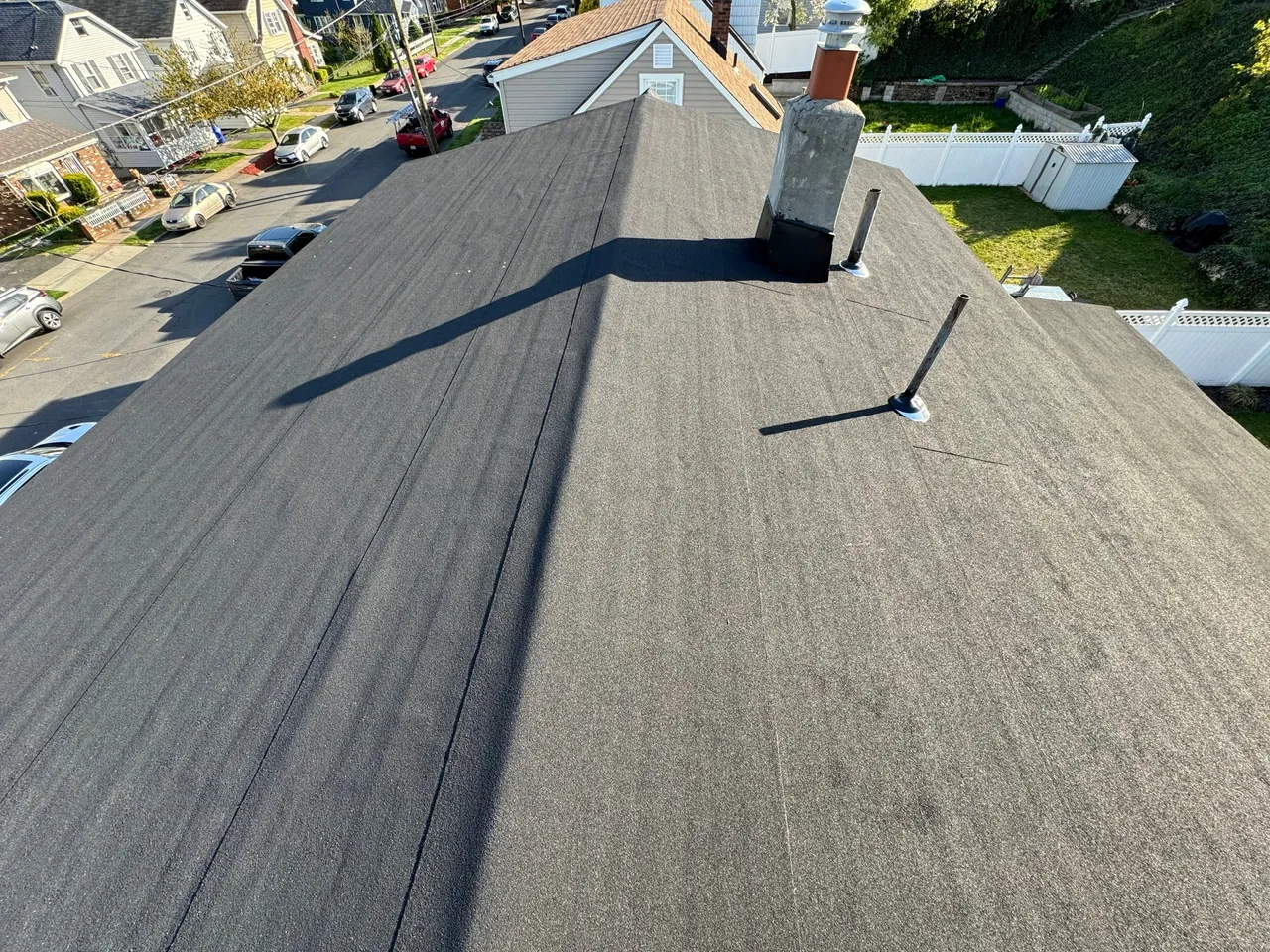
A roof replacement is one of the few home projects that can change how a house performs for decades. It affects energy use, attic ventilation, curb appeal, resale value, and most importantly, whether the interior stays dry through the next hard storm. In a place like Succasunna, NJ, where winter snow loads, wind-driven rain, ice, and humid summers all test a roofing system in different ways, the company you hire matters as much as the shingles they install.
Homeowners often start with the visible part, color, shingle brand, maybe a rough estimate. That is understandable. Roofing is expensive, disruptive, and not something most people shop for often. But the best roof replacement companies separate themselves in less obvious ways. They inspect the ventilation instead of just measuring squares. They explain flashing details around chimneys and valleys. They know when a roof can wait a year and when it cannot. They give you a contract that makes sense to a homeowner, not just to a salesperson.
If you are comparing companies for Roof Replacement Succasunna, NJ, the goal is not simply to get a lower number on paper. The goal is to find the crew and management team that will install a complete, durable roof system suited to local conditions, then stand behind it when the weather turns ugly.
Local experience matters more than a polished sales pitch
A good roof replacement company does not need to oversell. They should be able to speak plainly about the kind of homes they work on in Succasunna and nearby Morris County communities. That means understanding split-levels, colonials, ranches, older capes, and additions that have created awkward roof lines over time. It also means recognizing the common trouble spots in this region, such as low-slope rear sections, aging plywood near eaves, and ventilation problems in homes where insulation was added over the years without balancing attic airflow.
A contractor who works regularly in North Jersey tends to notice things that a storm-chasing or heavily sales-driven company might miss. For example, a roof that appears to have isolated shingle wear may actually be failing because the attic is trapping heat and moisture. In winter, that can contribute to ice damming. In summer, it can shorten shingle life. If the estimate only talks about replacing shingles and never mentions intake and exhaust ventilation, that is a warning sign.
Local experience also shows up in scheduling and weather judgment. An experienced company knows how to plan around late fall cold snaps, spring rain stretches, and the occasional surprise forecast that turns a one-day replacement into a more complicated job. Roofing is never completely weather-proof as a business, but a company with strong local habits has backup plans, proper tarping procedures, and realistic timelines.
A thorough inspection should come before the estimate
One of the fastest ways to tell whether a company is serious is to see how they inspect the roof. A replacement estimate should not be based only on satellite measurements or a quick glance from the driveway. Those tools can be useful for preliminary pricing, but they do not replace a proper evaluation.
A reliable company should inspect the roof surface, penetrations, valleys, pipe boots, drip edges, chimney flashing where applicable, and the condition of the decking as much as can be determined before tear-off. They should also look in the attic when possible. That visit often reveals more than the roof itself. You may see dark staining, inadequate ventilation, compressed insulation near soffits, or signs of past leaks that traveled farther than expected.
A homeowner in this area might hear, “Your roof is about 25 years old, so it’s time.” Sometimes that is true. Sometimes it is lazy estimating. Age matters, but so do installation quality, ventilation, storm history, and whether one side of the house gets full sun while another stays damp under tree cover. A careful inspection leads to a more accurate proposal and fewer unpleasant surprises once the shingles come off.
Licensing, insurance, and documentation should be easy to verify
This sounds basic, but many homeowners still skip it, especially when a company comes recommended by a neighbor. Referrals are valuable, but paperwork matters just as much. A roof replacement company should carry appropriate insurance and be willing to provide proof without hesitation. That includes general liability coverage and workers’ compensation coverage.
Without proper insurance, a seemingly affordable estimate can become very expensive if property is damaged or someone gets hurt. The issue is not theoretical. Roofing involves ladders, tear-off debris, compressors, nail guns, and crews working on steep surfaces. The professional contractor expects you to ask these questions.
A solid company also provides a written proposal with enough detail to understand what is included. If the contract says only “remove and replace roof,” it is not detailed enough. The homeowner should know the scope, material type, underlayment, flashing work, cleanup process, ventilation changes if any, and warranty terms. Vague paperwork creates room for corners to be cut.
The best proposals explain the whole roofing system
Many roof failures do not start with shingles. They start at transitions, penetrations, or hidden details where water finds a way in. That is why experienced contractors talk about systems rather than surfaces.
When you review estimates for Roof Replacement Succasunna, NJ, look for companies that discuss underlayment, ice and water protection, flashing replacement, starter shingles, ridge components, and ventilation. If a proposal is entirely focused on the visible shingle brand, it is incomplete.
Ice and water shield is particularly important in climates with freeze-thaw cycles. Eaves, valleys, and vulnerable transitions deserve special attention. The exact application can vary by roof design and code requirements, but the point is that the contractor should be able to explain where these materials go and why.
Flashing deserves even more attention than most homeowners realize. Chimney flashing, step flashing where roof meets wall, and valley metal or woven valley details can make the difference between a roof that performs well and one that leaks within a few seasons. I have seen attractive new roofs develop issues early not because the shingles were poor, but because old flashing was reused when it should have been replaced, or because wall flashing was buried carelessly behind siding details.
Be cautious with unusually low bids
A low estimate can be legitimate. A company may have lower overhead, own its dump trailers, or get favorable material pricing. But a price far below the rest of the field usually reflects missing scope, downgraded materials, or rushed labor.
Roofing estimates vary because roofs vary. One house may need several sheets of decking replaced, new venting, chimney work, and extensive flashing updates. Another may be straightforward. The problem arises when two estimates appear to cover the same job, but one quietly excludes things the homeowner assumes are standard.
These differences often hide in plain sight. One contractor may include complete tear-off, new synthetic underlayment, proper leak barriers, all new flashings, ridge vent installation, and magnetic cleanup. Another may quote basic felt, minimal leak barrier coverage, selective flashing replacement, and no allowance for decking repairs. The cheaper number looks appealing until the work begins and change orders start to appear.
Here are a few details worth comparing directly when bids come in:
- Whether old flashing will be replaced or reused where possible.
- How much leak barrier is included and where it will be installed.
- Whether ventilation improvements are part of the scope or ignored.
- How damaged decking is priced if replacement becomes necessary.
- What cleanup, disposal, and property protection measures are included.
A good contractor will walk through those items calmly. If someone becomes evasive when you ask for specifics, that tells you as much as the estimate itself.
Crew quality matters as much as company reputation
A company can have a good website, strong reviews, and a convincing salesperson, yet still deliver inconsistent work if the crew changes constantly or supervision is weak. Roofing is skilled labor. The final product depends on who actually installs the system and how closely the job is managed.
It is fair to ask whether the company uses in-house crews, long-term subcontractors, or a mix. There is no single correct model. Some subcontracted crews are excellent and have worked with the same company for years. The real issue is stability, training, supervision, and accountability. You want to know who is responsible on site, who checks the workmanship, and who addresses problems if something is not right.
Ask practical questions. How long has the lead installer been with the company? Who will be the point of contact during the job? Will someone inspect the finished work before final payment is requested? These are not difficult questions for a professional outfit.
You can often learn a lot from how a company talks about its crew. Firms that respect their labor tend to have better retention, tighter work habits, and more consistent cleanup. Those details affect the homeowner experience more than many people expect. A well-run site protects landscaping, controls debris, and leaves fewer nails in the driveway and lawn.
Communication should be clear before work begins
Most roof replacement disputes start long before the first shingle is removed. They begin with Roof Replacement Succasunna, NJ assumptions. The homeowner assumes rotted wood replacement is covered. The contractor assumes the customer understands it is extra. The homeowner expects work at 7:30. The crew arrives at 6:45. None of this is dramatic, but it creates stress fast.
The best companies communicate in a way that removes avoidable ambiguity. They explain timeline ranges instead of making unrealistic promises. They tell you how the driveway will be used, where materials will be delivered, how children and pets should be kept clear, and what happens if rain interrupts the schedule. They explain how attic dust may appear during tear-off and whether satellite dishes, solar attachments, or gutter guards will need separate coordination.
This is where professionalism becomes tangible. A contractor does not need to be overly formal. They need to be responsive, direct, and organized. If it takes a week to get a call back before you sign, do not expect better once they have your deposit.
Warranties should be explained in plain language
Roofing warranties are often discussed too casually. Homeowners hear “lifetime warranty” and assume they are fully protected. In reality, warranties vary widely and can include manufacturer material coverage, contractor workmanship coverage, or both. They may also contain limitations tied to ventilation, installation methods, transferability, or prorating over time.
A trustworthy roof replacement company will explain the difference between the manufacturer’s warranty on the roofing products and the company’s own workmanship warranty. That distinction matters. If shingles fail due to a manufacturing defect, the manufacturer may be involved. If a chimney leaks because flashing was installed poorly, that is usually a workmanship issue.
Pay attention to how the company handles this conversation. If they make broad promises without specifics, press for details. You should know how long workmanship is covered, what service Roof Replacement Succasunna, NJ response looks like, and whether any registration steps are required after installation.
Reviews are useful, but the pattern matters more than the rating
Online reviews can help, but they should be read with judgment. A roofing company with a long track record will usually have some mixed feedback. What matters is the pattern. Do customers mention strong communication, clean work sites, and fair handling of unexpected repairs? Or do they mention missed appointments, surprise costs, and difficulty getting follow-up service?
Recent reviews often tell you more than older ones, especially if the company has grown quickly or changed management. It is also worth noting whether comments come from homeowners with projects similar to yours. A positive review for a small repair is not the same as a successful full replacement on a complex roof.
If possible, ask for nearby references from completed replacements, not just a general reference list. A company that has done multiple roofs in or near Succasunna should not struggle to provide examples. Seeing a completed project in person can be helpful, especially if you want to compare shingle profiles, ridge lines, flashing neatness, and overall finish.
The company should be honest about repairs versus replacement
One of the strongest signs of credibility is restraint. Not every aging roof needs immediate replacement. Sometimes a well-timed repair can buy a few more years, especially if the issue is localized and the roof still has useful life. On the other hand, patching a roof that is broadly worn can become an expensive way to delay the inevitable.
A reliable contractor will explain that trade-off without pushing one answer for every customer. If a roof is near the end but not actively failing, they may tell you to plan for replacement in the next year or two rather than rushing the decision. If storm damage has exposed multiple weak areas, they should explain why repeated repairs no longer make financial sense.
That kind of judgment is valuable. Roofing is not just installation, it is diagnosis. In my experience, homeowners remember honest advice. They also tend to refer the contractors who gave it.
Good companies handle surprises without chaos
Most roof replacements reveal something once the old materials come off. It may be minor, like a few sheets of soft decking near a bathroom vent. It may be more involved, such as hidden water damage around a chimney chase or at a low-slope tie-in over an addition. Surprises are not necessarily a problem. How the company handles them is the real test.
You want a contractor who documents issues clearly, explains the repair options, and prices extra work reasonably. They should not turn every uncovered imperfection into a dramatic sales event. At the same time, they should not bury a problem and hope you never notice. The best crews pause, show you photos, explain why the issue matters, and move forward only after getting approval when appropriate.
This is another reason detailed inspections and good communication matter. A company that prepared you for the possibility of some decking replacement feels credible when it happens. A company that never mentioned it can make even a routine repair feel suspicious.
Signs you are dealing with a professional operation
A polished presentation alone does not prove competence, but certain habits consistently show up in better roofers. You can usually spot them early.
- They inspect the attic or ask meaningful questions about ventilation.
- They provide a written scope that is specific, not generic.
- They discuss flashing, leak barriers, and cleanup without being prompted.
- They are easy to reach and answer questions directly.
- They do not pressure you to sign on the spot.
Notice how different these qualities are from flashy sales tactics. They are operational traits. They suggest the company has done this many times, knows where jobs go wrong, and has built procedures to prevent those failures.
Why the cheapest roof often becomes the most expensive
There is a reason experienced homeowners become less price-driven over time. They have seen what happens when a roof replacement is done halfway. Leaks may not appear immediately. Instead, the roof looks fine at first, then develops subtle issues over the next few years. A small stain near a chimney. Granule loss on a slope that overheats because ventilation was ignored. A callback no one returns. Suddenly, the “savings” disappear into repair bills and frustration.
A properly installed roof costs real money because it involves skilled labor, quality materials, insurance, disposal, and supervision. That does not mean the highest estimate is automatically best. It means you should understand what you are buying. Value comes from workmanship, completeness, and follow-through, not from the lowest number alone.
For homeowners researching Roof Replacement Succasunna, NJ, that mindset leads to better decisions. You are not just replacing shingles. You are choosing the people who will protect your home from water, temperature swings, and storm exposure for years to come.
The final decision should feel informed, not pressured
By the time you choose a contractor, you should feel that the company has answered your questions without dodging, looked closely at your roof, explained the trade-offs, and given you a clear written scope. You should know who will perform the work, how the property will be protected, what happens if hidden damage is found, and what support looks like after the job is complete.
That confidence is usually built through small moments, not dramatic promises. A careful inspection. A realistic timeline. A straightforward explanation of ventilation. A contract that spells things out. Those details are not glamorous, but they are what good roof replacements are built on.
Succasunna homeowners have no shortage of contractors to choose from. The smart move is to look past slogans and focus on craftsmanship, communication, and local judgment. When you do, the right company tends to stand out for a simple reason: they treat roof replacement like a building science job, not just a sales transaction.
Royalty Exteriors
151 NJ-10 Suite 103A, Succasunna, NJ 07876, United States
+1 973-333-7234
FAQ About Roof Replacement Succasunna, NJ
What are signs a roof needs replacing?
Widespread shingle deterioration, repeated leaks, or damaged decking can point to a larger problem. A roofer can inspect the roof covering, flashing, and deck to determine whether the damage is localized or whether replacement makes more sense.
How long does it take to reroof a 2000 square foot house?
Royalty Exteriors estimates one to three days for many single-family roof replacements. A house’s floor area does not tell you the actual roof area. Pitch, roof features, weather, and any decking repairs can change the schedule.
How long should a roof last in NJ?
There is no single lifespan for every roof. Material, installation quality, attic ventilation, maintenance, and exposure to storms all affect how long a roof remains serviceable. An inspection can help you assess its condition and plan for replacement.