Roof Repairs for Skylight Leaks: Causes and Solutions
@trentonqrqo305
October 8, 2026 · 15 min read
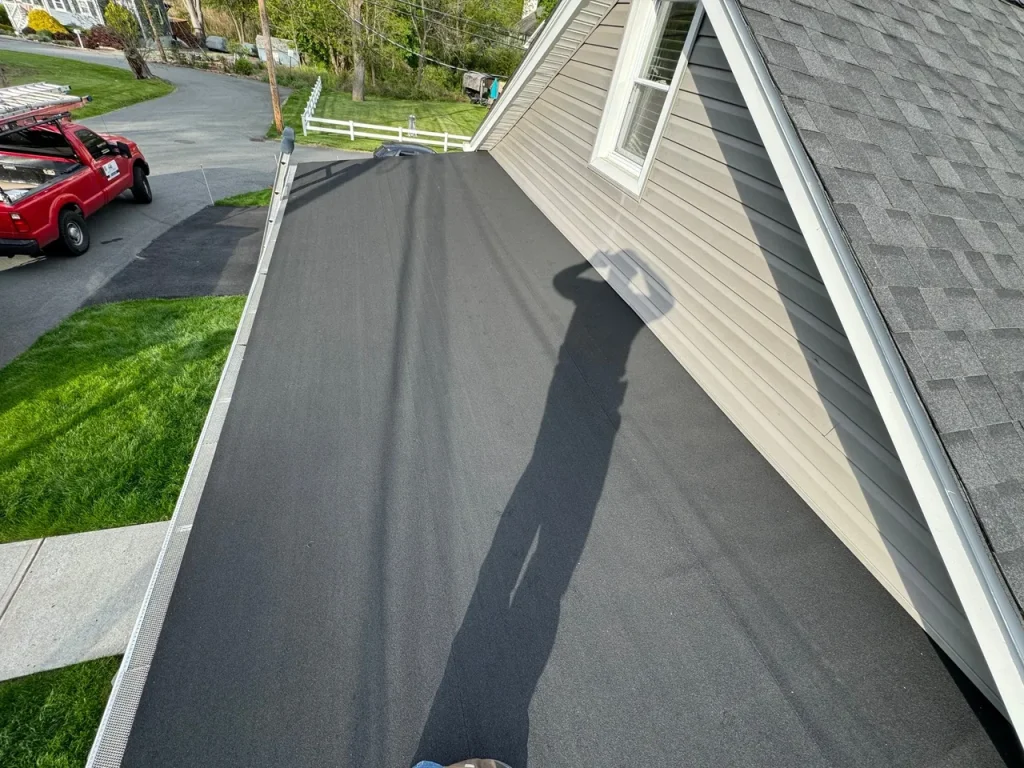
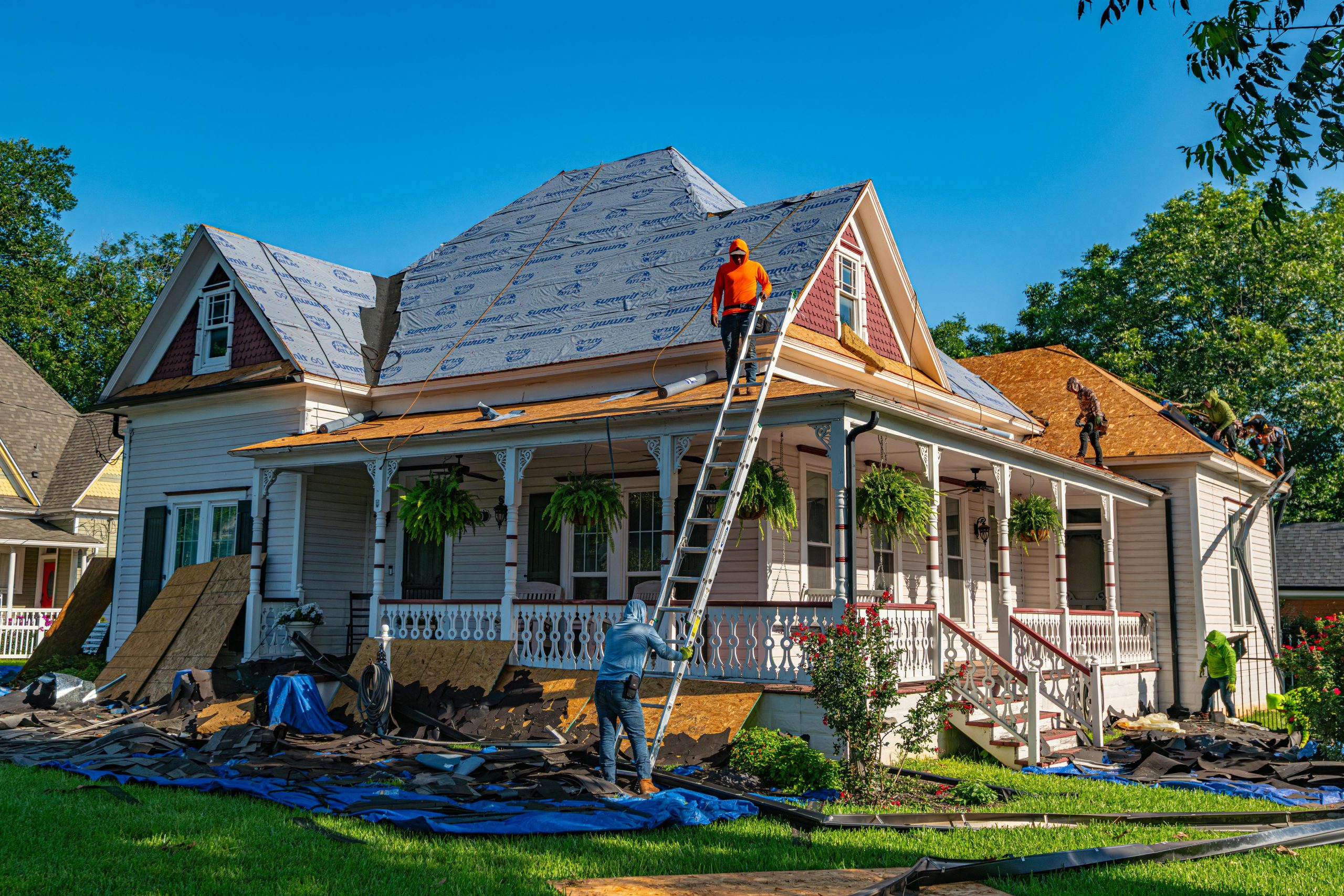

A skylight can transform a dark room. It brings in clean daylight, makes a ceiling feel taller, and gives a hallway, bathroom, or loft a sense of life that wall windows often cannot match. When it leaks, though, all that charm disappears fast. Water stains spread across drywall, paint blisters, insulation gets soaked, and homeowners are left wondering whether the problem is the skylight itself, the roof, or both.
That uncertainty is common. I have seen many cases where people assumed the glass had failed when the real culprit was aging flashing. I have also seen the opposite, where someone paid for patchwork roof repairs around a skylight even though the unit’s seals had already broken down. Skylight leaks are rarely random. Water follows specific paths, and successful repair depends on finding where that path begins, not where the drip finally appears indoors.
Why skylight leaks are often misdiagnosed
A leak around a skylight has a way of disguising itself. Water can enter high on the roof, travel along underlayment or framing, and emerge several feet away from the actual opening. By the time it drips from a ceiling corner or stains the trim, the source may not be obvious at all.
That is one reason quick patch jobs fail so often. Roofing cement smeared around the exterior frame may stop visible water for a short time, but it rarely addresses the root issue. If the flashing is installed incorrectly, if shingles have deteriorated uphill of the unit, or if ice and water protection was never added around the curb, sealant alone is not a lasting answer. Good roof repairs start with diagnosis, and diagnosis starts with understanding how skylights are built into a roofing system.
Most skylights are installed either as deck-mounted or curb-mounted units. A deck-mounted skylight sits closer to the roof surface and integrates tightly with the roofing material. A curb-mounted skylight sits on a raised frame, or curb, which helps lift the unit above the roof plane. Each style has its own flashing requirements, and each can leak for different reasons if those details are overlooked.
The most common causes of skylight leaks
Age matters, but age by itself is not the whole story. I have inspected relatively new skylights that leaked because of poor installation, while some older units remained dry because they were flashed correctly and maintained. The causes tend to fall into a few predictable categories.
Failed or improperly installed flashing
Flashing is the metal or formed waterproof system that guides water around the skylight opening. It is one of the most common failure points. If step flashing is missing, if the head flashing at the top is undersized, or if the side pieces were nailed in the wrong place, water can work its way under the shingles and into the roof deck.
This problem shows up often after roof replacements. A homeowner replaces shingles, assumes the skylight is fine, and then gets leaks the first hard rain of the season. In many of those cases, the roofer reused old flashing or improvised with sealant instead of installing a proper flashing kit designed for that skylight model and roof pitch.
Roofing material deterioration around the skylight
Shingles, tiles, and metal panels all age differently, but every roof covering can eventually fail around a penetration. Skylights interrupt the smooth flow of water down the roof. That means the surrounding roofing material takes extra stress. Granule loss, cracked shingles, lifted tabs, corroded fasteners, and brittle seal lines can all create entry points.
This is especially common on south- and west-facing roof slopes where heat exposure is stronger. Materials expand and contract every day, and areas around skylights are often where those movements become visible first.
Blocked weep channels or condensation issues
Not every skylight leak is an exterior roof leak. Some are condensation problems that mimic one. Older acrylic dome skylights often have weep holes to allow moisture drainage. If those holes clog with debris, trapped water can spill inward.
Bathrooms and kitchens are frequent trouble spots because humidity levels stay high. I have seen homeowners tear into roofing when Roof Repairs the real issue was warm, moist indoor air condensing on a cold skylight frame and dripping down onto drywall. Poor ventilation, inadequate insulation around the shaft, and air leaks in the ceiling cavity can all contribute.
Failed glass seals
On insulated glass skylights, the perimeter seal that holds the panes together can fail over time. When that happens, moisture may collect between panes, causing fogging or visible droplets inside the glass unit. This does not always create an active roof leak, but it often signals that the skylight is nearing the end of its useful life.
If the frame and flashing are still sound, some units allow for glass replacement. In other cases, especially with older models, full replacement is more practical.
Ice dams and winter weather
In colder climates, ice dams are a major cause of skylight leaks. Snow melts on a warmer section of roof, runs downward, then refreezes at the eaves or around raised features. That trapped water backs up under shingles and finds small gaps near the skylight flashing or curb.
This is where roof assembly matters. A properly installed ice and water membrane around the skylight opening can make a substantial difference. Without it, repeated freeze-thaw cycles can force water into the roof deck year after year.
What the warning signs usually tell you
The pattern of damage often points to the likely cause. A brown stain at the uphill side of a skylight usually suggests flashing or roofing issues above the unit. Bubbling paint or peeling trim along one side may indicate lateral water intrusion where step flashing has failed. Drips that appear during cold mornings but not necessarily during rain can be tied to condensation rather than outside water.
There are also clues on the skylight itself. Fog trapped between panes suggests seal failure. Cracked acrylic domes can admit water directly. Rusted cladding or deteriorated gaskets point to long-term exposure and aging.
A homeowner can do some basic observation safely from indoors and from the ground outside, but a close exterior inspection should be handled carefully. Roof slope, wet shingles, and the proximity of the skylight opening create real fall hazards.
When a skylight leak calls for immediate action
Some leaks can wait for a scheduled repair visit. Others should be addressed as soon as possible because the secondary damage accelerates quickly.
- Water actively dripping onto drywall, flooring, or electrical fixtures
- Staining that expands noticeably after each rain
- Soft or sagging ceiling material around the skylight shaft
- Mold odor or visible fungal growth near the opening
- Cracked glazing or loose exterior cladding after a storm
If any of those conditions are present, the priority is protecting the interior and limiting moisture spread. Temporary tarping or controlled water diversion may be necessary until permanent roof repairs can be completed.
The inspection process that leads to the right repair
A proper skylight leak inspection is never just a glance at the frame. The surrounding roof matters as much as the unit. I prefer to look at the problem in layers.
First comes the interior. Water marks, drywall damage, and moisture meter readings help map the leak path. The skylight shaft is important here. In some homes, the shaft runs through an attic or roof cavity, and that hidden space can reveal whether water is entering at the roof deck, forming as condensation, or traveling from another penetration nearby.
Next comes the roof surface. The inspection should include the condition of shingles or panels uphill and to both sides of the skylight, the flashing sequence, exposed fasteners, sealant condition, and any signs of ponding or debris buildup. Branches, leaves, and moss can trap moisture and create chronic wetting around the unit.
The final layer is the skylight itself. The frame, gaskets, lens or glass, and curb should all be checked. On venting skylights, hinges and weatherstripping deserve special attention because moving parts add complexity.
A controlled water test can be useful, but only when performed methodically. Spraying the whole area at once often confuses the diagnosis. Water should be introduced in stages, starting low and moving upward, to isolate the entry point.
Repair solutions that actually last
The right fix depends on what failed. That Roof Repairs sounds obvious, but it is where many repairs go wrong. A skylight leak can be solved in several ways, and the best one is not always the cheapest first step.
Reflashing the skylight
If the skylight itself is still in good condition and the issue is poor integration with the roofing, reflashing is often the smartest repair. That usually means removing shingles or other roof covering around the unit, inspecting the deck for rot, installing proper underlayment, and fitting a compatible flashing kit.
This is more than cosmetic work. The sequence matters. Water has to be directed over each overlapping component so gravity does the work. When reflashing is done correctly, it can add many years to the service life of an otherwise sound skylight.
Replacing damaged roofing materials nearby
Sometimes the skylight is innocent. The leak originates in worn shingles, failed fasteners, or compromised underlayment uphill of the opening. In that case, targeted roof repairs around the skylight may be enough.
The key is to be honest about the condition of the surrounding roof. Spot repairs make sense when the roof is generally in good shape and the damage is localized. They make less sense when the entire slope is brittle, curling, or close to the end of its lifespan.
Repairing or replacing gaskets and seals
Minor air and moisture intrusion at operable skylights can come from worn weatherstripping or small gasket failures. These parts can sometimes be replaced, especially on newer units from established manufacturers. This is a narrower fix, but it can be effective when the frame and flashing remain intact.
Addressing condensation with insulation and ventilation upgrades
When moisture forms from indoor humidity rather than roof penetration, the solution is different. Better exhaust ventilation in bathrooms and kitchens, improved insulation around the skylight shaft, and careful air sealing can stop recurring drips. In attics, correcting ventilation imbalance and reducing warm air leakage from the living space also helps.
This category is often overlooked because the symptoms resemble a leak. Yet the repair approach is almost entirely about building envelope performance, not just roofing.
Full skylight replacement
Replacement becomes the better option when the unit is old, the glazing seal has failed, the frame is warped, or the skylight was installed in a way that makes proper repair inefficient. If the roof is also being replaced, that is usually the ideal time to upgrade the skylight.
Modern units tend to perform better in several ways. Flashing systems are more refined, glazing is often more energy efficient, and some venting models include rain sensors or improved insect screens. A new unit costs more upfront than a patch, but replacing a 20-year-old leaking skylight during reroofing often saves money and disruption later.
Repair or replace, how to make the call
Homeowners often ask for a simple rule, but there is some judgment involved. A relatively new skylight with a flashing defect is usually worth repairing. An older skylight with repeated leaks, fogged glazing, and brittle components usually is not.
I usually weigh five practical questions:
- How old is the skylight, and is it near the expected service life of the roof?
- Is the leak coming from the roofing interface, the unit itself, or both?
- Are replacement parts still available for that model?
- Has there already been more than one repair attempt?
- Will this repair disturb roofing that is due for replacement soon anyway?
If several answers point toward age, repeated failure, and broader roof wear, replacement tends to be the better long-term decision.
Cost factors that shape the project
It is difficult to quote skylight leak repair without an inspection because labor and scope vary widely. A simple reseal or gasket replacement costs far less than opening the roof, replacing rotted decking, and installing a new skylight with fresh flashing. Roof type matters too. Asphalt shingles are generally simpler to work with than slate, tile, or standing seam metal. Accessibility changes labor as well. A one-story ranch with a moderate pitch is a different job from a steep three-story roof over a finished stairwell.
Interior damage can also alter the total cost. A leak that went unnoticed for months may require drywall repair, repainting, insulation replacement, and mold remediation. That is why early intervention matters. The first stain on the ceiling is often the cheapest point at which to act.
Where DIY efforts usually go wrong
I understand the temptation to fix a skylight leak with a tube of sealant and a ladder. Homeowners want immediate relief, especially during a stormy week. The trouble is that surface caulking tends to hide the problem rather than solve it. It can trap water, interfere with proper drainage, and make later professional repairs more difficult.
One memorable case involved a homeowner who layered several products around a curb-mounted skylight over two years, roof cement, silicone, and spray foam in different places. The leak persisted. When we finally opened the area, the original flashing had been punctured repeatedly, the surrounding deck was soft, and moisture had been trapped where it could not dry. What might have been a moderate repair became a much larger one.
That does not mean homeowners have no role. Clearing leaves from the roof edge, monitoring ceiling stains, running exhaust fans, and scheduling inspections promptly all help. But permanent skylight leak repairs usually depend on roofing details that need trained hands.
The connection between skylight leaks and broader roof health
A leaking skylight sometimes reveals a bigger issue with the roof system. If underlayment is brittle, if attic ventilation is poor, or if shingles were installed carelessly across the entire slope, the skylight may simply be the first place where those weaknesses show themselves.
This is why I rarely look at a skylight in isolation. Roof repairs performed around one opening should make sense within the condition of the whole roof. If the rest of the roof is close to failure, localized work may buy only limited time. That does not mean every skylight leak requires a new roof, but it does mean the repair decision should be made with the full roof life cycle in mind.
Preventing repeat leaks after the repair
Once the leak is fixed, a few habits can reduce the odds of seeing the same problem again. Annual roof inspections are useful, especially after major storms. So is keeping gutters and roof valleys clear, because backed-up water can increase pressure around skylights. Indoors, managing humidity is critical in bathrooms, kitchens, and upper-floor rooms with limited airflow.
On homes in snowy climates, insulation and ventilation deserve ongoing attention. Warm air escaping into attic spaces can contribute to uneven roof temperatures and ice dam formation. Skylights often get blamed for leaks that are really symptoms of heat loss elsewhere in the roof assembly.
It also helps to keep records. If a skylight was reflashed during a roof replacement, note the date, the product used, and whether a manufacturer-specific flashing kit was installed. Those details matter later if another issue appears.
Choosing a contractor for skylight roof repairs
Not every roofer has the same level of skylight experience, and not every window installer understands roofing integration. The best results usually come from a contractor who is comfortable with both the roof system and the skylight assembly.
Ask direct questions. Have they worked on that skylight type before? Will they inspect the surrounding roof materials, not just the frame? Are they planning a proper flashing repair or only a sealant treatment? Can they explain whether the issue appears to be roof-related, unit-related, or moisture from condensation?
Clear communication matters as much as craftsmanship. A good contractor should be able to show you where the water is entering, explain why the proposed repair addresses that path, and be candid about whether the fix is expected to be temporary or long-lasting.
A skylight should not be a chronic problem
A well-installed skylight on a sound roof should not leak regularly. When one does, there is almost always a specific failure in design, installation, maintenance, or age-related wear. The challenge is resisting the urge to treat the symptom only. Drips and stains are the final act. The real story starts higher up, where water first finds a gap.
That is why effective roof repairs for skylight leaks are part detective work and part craftsmanship. You need someone who understands how water moves, how roofs are layered, and when a repair still makes sense versus when replacement is the wiser investment. Get that judgment right, and a skylight can go back to doing what it was meant to do, filling the room with light, not giving you a reason to look nervously at the ceiling every time it rains.
Royalty Exteriors
151 NJ-10 Suite 103A
Succasunna, NJ 07876, United States
+1 973-333-7234
FAQ About Roof Repairs
Can you fix a roof leak without replacing the whole roof in Succasunna,NJ?
Often, a localized leak can be repaired without replacing the entire roof, depending on its cause and the condition of the surrounding materials. Damaged shingles, flashing, or a roof penetration may need targeted work. Royalty Exteriors offers roof repairs for leaks, storm damage, and shingle issues. An inspection is needed to determine the appropriate scope.
What is considered a minor roof leak?
A leak may be considered minor when the damage is limited to a small area and the surrounding roofing remains sound. A small ceiling stain alone does not establish the extent of the problem because water can travel before becoming visible. Have the source and any concealed damage assessed promptly.
Is it better to repair or replace a leaky roof?
The decision depends on the roof's age, overall condition, leak source, extent of damage, and history of previous repairs. A localized problem on an otherwise serviceable roof may be suitable for repair. Widespread deterioration or recurring leaks may justify considering replacement. Ask for an inspection and a written explanation of the recommended work before deciding.